When Dr. Eggman announced his candidacy for President, I was thrilled to see someone finally standing up to the political elite and promising to implement common sense policy that would help working class Americans like myself by lowering the cost of eggs. What I didn’t expect was that as soon as he got elected, he would steal my Chaos Emeralds.
I voted for the guy because I was sick and tired of inflation. Did I expect him to immediately steal and then use my Chaos Emeralds to construct Eggmanland, a cartoonishly designed, hybrid theme park/city? No! He promised that he was divesting from any holdings he had in his companies.
Did Dr. Eggman repeatedly campaign on his plan to take over the world and reshape it into a robotic utopia in his image? Sure. But how was I supposed to know that he was serious about it?
I mean, c’mon, the guy is a successful entrepreneur. Sure, he’s filed bankruptcy multiple times after his robotics facilities were destroyed by that enterprising band of anthropomorphic animal heroes. But I think we all know that that blue-haired liberal Hedgehog is being funded by outside sources who are secretly funding his Antifa agenda with golden rings because they are hellbent on destroying America.
Do I regret voting for Dr. Eggman? Well, if I did, I guess I’d have to get rid of all of my Robotnik merch, like my hats, flags, beer coozies, bottle openers, commemorative coins, truck nuts, shoes, and so on. I’d also have to admit that I don’t really mind his hostile takeover of power and that it really is what I was voting for all along. And then I’d probably have to call my daughter to apologize. So hell no! What’s a few Chaos Emeralds in exchange for seeing those snowflake commie critters cry every day? His regime has been totally worth it, even if I’ve now been conscripted into service for the Robotnik empire.
WASHINGTON — In a shocking announcement this week, a coalition of the planet’s top climatologists and film critics warned that at the rate we’re going, there is a high probability that the Earth could fall below 50% on the Rotten Tomatoes Tomatometer within the calendar year.
“We’re reaching a critical point in our history as a species,” said meteorologist Carol Anderson. “Between the Trump presidency, Israel committing genocide in Gaza, and that shitty new I Know What You Did Last Summer reboot, we need to do everything we can to reverse course and get the planet back on the right track. For the past twenty-five years, our Tomatometer score has been slowly dipping, but we’ve been hovering at a generous 60% for a while now – right above the critical ‘Rotten’ range. Recently, though, a bunch of fucking horrible things have been happening all at once, and that percentage score is rapidly declining as more and more critics weigh in.”
Noted film reviewer and the person nobody wants to be around at a party, Bryce Fields, offered a bit of a different perspective on Earth’s recent decline on the world’s premiere review website.
“Now, it’s not all doom and gloom,” Fields stated to the press. “Superman and Fantastic Four were pretty good. Zohran Mamdani will probably be the mayor of New York City. And, um…hmm. That’s really all the good news that’s keeping us afloat right now, it looks like. But I wouldn’t start to panic until our score starts to dip down towards a critical average of 55, 54%. That’s about when the alarms should start to go off.”
We reached out to members of the public for their immediate reactions to the shocking news. One local, who chose to remain anonymous, had the following to say:
“Yeah, I mean, that honestly makes a lot of sense to me. To be completely transparent, I’m shocked we didn’t go down to like 33% a long time ago. And what really sucks is this won’t change anything in the long run – so many people still think the Tomatometer is a total hoax, or that we can’t be on a downward trajectory just because the score goes slightly up every now and again. We need to stop relying on these old ‘fossil reviews’ and start pouring our resources into renewable elegies. Otherwise, things are gonna get a lot worse before they get better.”
At press time, scientists were observed obsessively refreshing the Earth’s Rotten Tomatoes page, letting out a unanimous shout of horror every time our percentage decreased.
My wife loves to garden. She’s not particularly good at it, but she refuses to give up on developing her green thumb. I see a lot of myself in her, especially when it comes to writing and my dreams of being a writer. There’s the unrelenting climb to the top, a lot of failure, and a supportive spouse who is tired and just wants you to give up and get a real job. We’re both stubborn and supportive to a fault. I for one am ready to end this cycle of toxic positivity. So, with that in mind, I pulled my wife away from a daisy on its deathbed and demanded that she rank all 49 plants from the original Plants vs. Zombies on how likely they would survive her garden.
49. Flower Pot
PopCap counts this as a plant. My wife refuses to rank this since, ‘pots are not plants.’ For someone so adamant about following the rules of this list, you would think she could apply that kind of discipline to plant care. She’s mad now. I’m just going to stick the pot here on the list.
48. Pumpkin
“This one is just like our sex life,” my wife says, catching me completely off guard. I ask her to elaborate, and she says, “It’s all saggy and already dead.” I can’t believe the nerve, but I have to agree that this one goes here on the technicality of it being dead.
T-47 Puff-Shroom
“Oh, that little guy is so cute,” says my wife, who hates mushrooms. I imply that she’d probably just step on him and not even realize it. She does not agree and is now walking through the room swearing up and down that none of my articles have ever made her laugh. And she just stepped on a stray LEGO block. Thank you, LEGO.
T-47 Gatling Pea
She’s crying in the other room, so I’m going to do the next one without her. The Gatling Pea is a hard-nosed soldier, but as a PVZ veteran he’ll need our support once he’s done fighting for Dave’s garden. My wife’s gardening skills are the least of this guy’s worries with this current administration in the office.
T-47 Coffee Bean
Okay, she’s back. This woman is a coffee fiend (as am I). I think we can both agree that the Coffee Bean’s time in the garden would be very short.
T-47 Snow Pea
Oh crap. My wife just scrolled up and saw the Gatling Pea entry. Now I’m some, “big liberal pussy who paid money to go to comedy school.” She just stormed out of the room again. Real mature. Her heart may be made of ice, but there’s no way she could keep Snow Pea from melting in her shitty little garden.
T-47 Winter Melon
While we’re on the subject of frozen hearts, we might as well put Winter Melon here. She told me recently that she doesn’t like watermelon. Says it’s not crunchy enough. Who wants a crunchy watermelon?
T-47 Ice-Shroom
I’ve calmed down a little bit. I think she has too. I could hear her hammering ice out of our ice maker. It’s old and all the ice melts together quickly, so you have to chip away at it to free up a single piece of ice. All this reminds me of the Ice-Shroom. He’s the one frozen plant in PVZ who would not melt, because she would likely take a hammer to him to ice her tea.
T-47 Lily Pad
She’s barely scraping by in the garden. Do you think she is going to have the know-how to keep a pond going? The poor Lily Pad is DOA.
T-47 Fume-Shroom
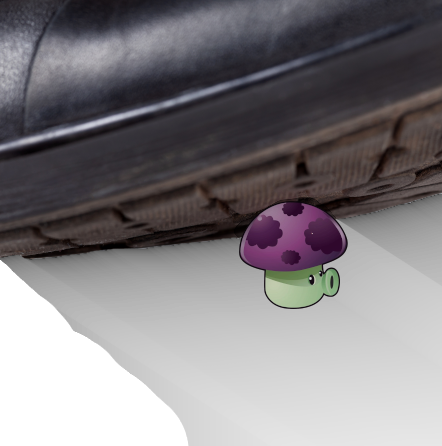
She’s finally back and she does not like the look of the Fume-Shroom. “Ew, is that mushroom spitting on those zombies,” my wife asks as she munches on a pickle. “I’d for sure plug that hole with something. Can you do that in your cute little photoshop that you play with instead of coming upstairs at night to play with me.” Sure can, dear. Sure can.
T-47 Blover
I like Blover a lot, but when my wife gets the weed whacker out anything goes. This cute little guy is getting caught in that path of destruction for sure. I’m going to let her do the next few.
T-47 Melon-Pult
“A watermelon that launches another watermelon. That’s perfect! I don’t have to kill it myself.”
T-47 Cherry Bomb
“I LOVE cherries. They have a little crunch to them, and I like chewing on the pit. I can tie a knot in cherry stems with my tongue, but my husband has no idea. He doesn’t know much about me anymore.”
T-47 Grave Buster
She just ran away crying. What happened? That was going so well. Did she see the butt-plug in the Fume-Shroom? Shit. I should go check on her, but I need to finish this list. My wife leaves a lot of junk around her garden. An unfortunate truth for Grave Buster who is likely to eat anything gravestone shaped.
T-47 Magnet-Shroom
My wife has taken up woodworking in the yard as well. Great for her having a new hobby. Not so good for the Magnet-Shroom.
T-47 Cob Cannon
She’s still crying. I am going to pop her a bowl of popcorn (her favorite). Obviously, Cob Cannon doesn’t stand a chance with my popcorn-loving wife.
T-47 Spikeweed
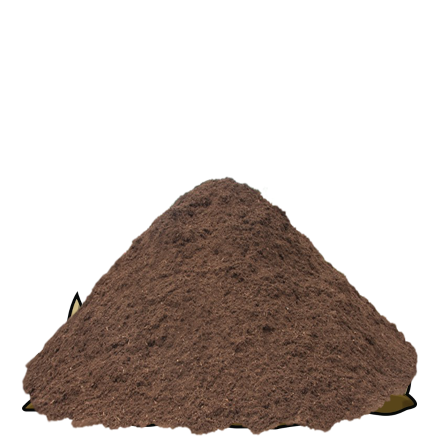
“Ok, I’m back. My husband can be sweet when he’s not being a complete asshole. Ok, this guy is spikey, I don’t like spikes in my garden. I like to garden barefoot. I’d cover this spikey little guy with a pile of dirt.”
T-47 Spikerock
“This guy evolves from the last spike guy? Is this Pokémon? He’s terrifying, Good thing I keep a flip flop on the porch for bugs and other gross issues that arise. I call it my yard flip flop.”
T-47 Plantern
“So, it’s a lantern? Seems redundant, I’ve already got wire lights strung around the garden. My yard flip flop probably got stuck on that scary spike Pokémon, so I’ll toss my trusty yard rock at this guy to try and shoo him away.”
T-47 Imitater
“The fuck is that? A mime potato? Fuck, my garden flip flop and my garden rock are out of reach. Where’s my garden gun?”
T-47 Torchwood
“A fire stump? No fires in my garden. Where’s the hose?”
T-47 Tangle Kelp
Tangle Kelp just sounds like something that is going to kill my other plants. I can just throw it away and not feel bad, right? No one kills my plants, except for me occasionally by accident.”
T-47 Potato Mine
“Is this guy related to that mime? Honestly, I am out of ammo and don’t want to find out. I’ll just let this guy rot in the ground. I wonder what my husband photoshopped into that spitting mushroom guy from earlier.”
T-47 Gloom-Shroom
She discovered the butt plug gag up top and now she’s packing her bags to go to her mother’s. Really sucks she can’t take a joke. Better pack the rest of her plugs, which ironically would be enough to stop up a Gloom-Shroom.
T-47 Scaredy-Shroom
She’s so full of shit about, ‘no fires in the garden.’ She lights fires all the time. Tree limbs, mushrooms, really anything that can catch fire is not safe…
T-47 Umbrella Leaf
…Including the very flammable Umbrella Leaf.
T-47 Sea-Shroom
After those last few entries, I came to my senses and went to the other room to talk to my wife. She agreed to stay, as long as I spend less time photoshopping. You’ll just have to imagine this Sea-Shroom being held underwater until the last air bubble comes up.
T-47 Cactus
Things are really cooling off here. My wife really appreciated me not photoshopping the last photo. Here is another. I wanted to shop a cactus impaled by another cactus and bleeding to death, but I love my wife way too much to photoshop when I promised not to.
T-47 Wall-Nut
I didn’t even have to do anything to this one. Thank you PopCap for having enough foresight to put a dying plant in your game and potentially save my marriage.
T-47 Garlic
My wife is honestly not the biggest Garlic fan in the world. She said I could photoshop this one, but I refuse to do that. Sure, it would be fun to mince this guy into pieces with the lasso tool and then float the pieces out into separate layers. The finishing touch would be finding a PNG of a good sharp knife to add to the photo. Must resist the urge to photoshop. This is a test. She is testing me.
T-47 Peashooter
My wife is taking a nap, so I am on my own for these next few plants. I love the Peashooter (almost as much as I love my wife). This guy is like the mascot of Plants vs. Zombies. Like how my wife is the mascot of this marriage. She would for sure kill this guy. Probably from overwatering or some other innocent way. Must resist the urge to shop. What if I just painted over his eyes and used the “X” from the Road Rage font to imply he is dead? I’m not technically photoshopping anything. All I’m doing is painting and writing on the photo.
T-47 Repeater
That wasn’t so bad. For Repeater what if I just folate his top part into a separate layer and paint the edge of the stems? Now it looks like he was hit by a weed whacker. It’s still not photoshopping if I don’t put in a full effort, right?
T-47 Chomper
Chomper is always eating things, so it’s only natural that he would choke on something in my wife’s garden. Let’s lengthen his neck and add a huge lump in the middle. For good measure, let’s grab some water drop PNGs to imply that he’s trying to hack up my wife’s garden flip flop. Notice his shade of blue grow darker as his soul is choked out of him.
T -47 Sun-Shroom
Lasso. Float. Lasso. Float. Lasso. Float. Lasso. Float. Lasso. Float. Lasso. Float. Oh uhm, sorry. Sun-Shroom is for sure getting run over by a lawn mower.
T-47 Hypno-Shroom
I’m not saying my wife eats mushrooms willy nilly, but the Hypno-Shroom would remind her of the unicorn drink from Starbucks. She slurps those damn things down. The similar colors would likely lead to her taking a big bite of this poor fellow. Simple erase tool for this one.
T-47 Doom-shroom
My wife has finally awoken, and I was right. It was a test. She is not too happy about my disregard for her desires (the multi-butt plug shop of the Gloom-Shroom didn’t help either). She says she’s leaving and taking the kids. Marriage is tough. This Doom-Shroom locked in a bottle perfectly captures how I feel right now. Trapped. Unable to do the thing I want to do most.
T-47 Split Pea
See, dear reader. Marriage is about squeezing yourself into an everchanging box, in an attempt to fit into it.
T-47 Squash
Marriage will hollow you out…
T-47 Threepeater
…Tie you up in knots…
T-47 Tall-Nut
…and beat you senseless like Paul Dano in Prisoners…
T-47 Jalapeno
…Until there’s nothing left of the original you.
T-47 Sunflower
Marriage is tough. You feel like you pull yourself apart, all for this other person you consider to be the better half of you…
T-47 Twin Sunflower
…And then you wake up one day and realize they are a walking nightmare and that you didn’t need another half. It turns out you were pretty whole the entire time.
T-47 Starfruit
Just ate a peanut butter and banana sandwich. Wow, I needed that. I get a bit dramatic when I’m hungry. Oh shit, the list. Oh, Starfruit, such a forgettable plant in the game. I imagine my wife forgetting this guy was out in her garden and just stumbling upon his corpse one day.
T-47 Cabbage-Pult
Thanks for hanging on this far. Sorry to the PVZ fans for blowing up this list with my drama. I guess I really should be apologizing to my wife. I kind of just blew up our marriage, didn’t I? Oh, the Cabbage-Pult…I always wanted to superglue a bomb into his little launcher. I am sure these things are readily available in my wife’s garden.
T-47 Kernel-Pult
Hear me out on the Kernel-Pult. What if I superglued a bomb into his little launcher? Wait a minute, I just made that joke. Oh my god, my wife is right. I am a bad writer. I am a hack. Yet, she still agreed to sit down with me and do this list. She just sat here and played along while I made jokes at her expense. Fuck. I am a bad husband.
3. Gold Magnet
My wife would not kill Gold Magnet. In fact, I think she would keep him safe. Partially because he reminds her of the golden rule (which she practices religiously), also because it can pull any buzzsaws its way. But more than anything, she would keep it alive because it attracts coins, and we are broke as fuck.
2. Marigold
Marigold makes coins so therefore, safe. I should call her. If she wants to spend her time gardening I should support that, no matter how many plants die along the way. It’s ringing.
1. Cattail
It’s been a month since the last entry on this list. In that time my wife and I have reconciled and are happy to announce we are expecting another child. We are forgoing couples therapy because we really think this third baby is the answer to all our problems. Here is my wife to now complete the last entry of this list. “Oh my god, he is so cute. I would never let anything happen to him. That’s it, we’re getting a new cat. Combined with the new baby. that will fix all of our problems. I just know it.”
LEXINGTON, Ky. — Tinder date Kyla Erwin showed no discernible sign of arousal at my impressive display of Elder Scrolls knowledge despite being a professed sapiosexual, sources report.
“I definitely am attracted to intelligence,” Erwin said. “However, when I identify as a sapiosexual, I’m referring to things like problem solving skills and a long reading history. I’m not talking about your ability to mindlessly rattle off the ‘nine provinces of Tamriel’ from some video game I’ve never even heard of when the conversation hasn’t even come close to warranting it. Honestly, we had just introduced ourselves when you went into it, and when I asked if this was some Lord of the Rings thing, you snorted like I had told a joke. I’m definitely going to make some clarifications to my Tinder description tonight.”
I had a bone to pick about Erwin’s supposed sapiosexuality.
“I honed in on that part of her description when we matched,” I told reporters. “So I came to Ruby Tuesday ready to discuss my comprehensive understanding of magic, from its origin as raw energy flowing into Aetherius through the sun and stars, to its uses in spellcasting and spellmaking. I didn’t even have a chance to get into it, though, because she said she ‘wasn’t really interested in all of that’ while I was describing the history of the Nords’ use of Thu’um. I’m sorry, but what sapiosexual wouldn’t be into this? If she doesn’t think I’m smart, I can name countless people on r/ElderScrolls who think otherwise.”
Sociologist Gareth Ng has experience with these situations.
“It is true that a large portion of the population is turned on by intelligence,” Ng noted. “However, it’s exceedingly rare that video game knowledge qualifies as such. Comprehensive grasps on literature or mathematics are usually closer to what sapiosexuals like, but gamers struggle to grasp this idea. I recommend they become more acquainted with what their dates are into before meeting in person, if at all possible.”
At press time, I attempted to salvage our date by giving Kyla unsolicited advice on building a powerful deck in Slay the Spire.
EAGLETON, Ohio — Oft-picked-on seventh-grader Zach Leland was heard to say that he could totally take infamous school bully, Trevor Meyer if their confrontations followed a classic turn-based RPG format instead of the current, real-time beatdown system in place on the school playground, skeptical friends report.
“I’m just saying, if we were taking turns and I had time to, you know, consider what command options I wanted to use, I’d wipe the floor with him,” said Zach, who has logged over 300 hours in Persona 5 and claims to have beaten Final Fantasy X without using Phoenix Downs. “Like, imagine I could just scroll down to ‘Counterattack’ or equip my foam sword that I made for Comic-Con. But in real life he just throws me to the ground and starts whiling on me before I even get to equip my hoodie.”
According to eyewitnesses, Trevor likes a more Simultaneous Action system.
“Some might say I am just mashing, but I use strategy. Like when his backpack was still half-zipped, I initiated a surprise strike that was a shoulder shove, hat knock, into a wedgie combo,” Trevor bragged while sitting on Zach’s chest. “I definitely invested all my skill points into Strength and dexterity. My build is all about fast and raw damage output. He’s got, like, one defensive move and that is crying to the teachers. It’s effective in the moment but it’s no way to win.”
Military and RPG Historian Alicia Chen explained that
“These fights tend to last under ten seconds, far too fast for Zach to summon his inner rage-spirit or even activate Block, especially considering his anxiety and low initiative,” Chen explained. “In a turn-based setup, Zach probably would have a bit of an upper hand. He could start with a taunt to lower Trevor’s defense, have time to heal, and if all else fails, pull off a desperation summon: his mom. Some bullies actually do allow a form of turn-based action called ‘I’ll give you one free swing,’ but that is more of a distraction technique.”
At press time, Leland had attempted to pitch the turn-based idea to Meyer, who apparently declined the offer with a surprise punch to the gut.
PAC-LAND — Ms. Pac-Man is back in the spotlight after fans of her video game have discovered her TikTok channel dedicated to promoting a tradwife lifestyle. Many are concerned that her perky demeanor is hiding something sinister in her relationship with her husband, Pac-Man.
“After getting married to Pac-Man we realized that I was much happier taking on a different role around the home,” said Ms. Pac-Man. “He goes out and brings home the white pellets and I get to do laundry and make meals for our seven children: Jr. Pac-Man, Baby Pac-Man, Larry, Donald, Bubba, Kieran and Stephanie. I get to interact with some of the outside world when grocery shopping. The TikTok channel is nice too. My fans really like my videos of me making cherry, strawberry, orange, bell, and key pies. Pac-Man does a great job of letting me know what videos I should make.”
Her husband, Pac-Man, is proud of her decision to stay at home and take on a more traditional housewife role.
“I told her she would never be happy making more money than me,” said Pac-Man. “I told her we would be happier if we returned to traditional values. It is what made Pac-Land strong in the past. Pac-Land was built by women building strong homes while men did the hard work. We are raising our children to have these same beliefs. She is having our eighth kid soon. I hope it is a strong male. We already have little Stephanie to help Ms. Pac-Man with chores.”
In one of her videos where a young woman asks if it is worth giving up independence and career aspirations to take on a purely supporting role to a man Ms. Pac-Man begins to cry.
“I never really wanted to use my Masters degree in kinesiology anyway. I am a lot more fulfilled and happy being married and focusing on gardening and keeping the household tidy for when Pac-Man gets home,” said Ms. Pac-Man. “It took too much effort cooking for my husband, keeping up my appearance, bringing beer for my husband and his friends and having my own opinions on politics. This is just so much easier and happy for all of us. We are both so very happy. I am happy.”
At press time, Ms. Pac-Man has over 700,000 followers on TikTok. Comments on the video where she cries, “How To Ask Your Husband For Permission To Open a Bank Account,” have been locked.
When I came into office as an elected representative, it was to serve in the best interests of all of my constituents, regardless of whether I had earned their vote. It is my firm belief that this is the best country on the planet, forged through the successful defeat of multiple Kremling invasions, and with our freshly recaptured banana hoard, we can do anything. I stand before you simply to plead that we use our replenished coffers to invest in infrastructure, for we will continue to lag behind the rest of the Kong world if we don’t move beyond our floating barrel-based transit system.
Now, I know what you’re thinking: the floating barrels have served us well over the past several centuries. I agree, but so did swimming, yet this was made infinitely easier through befriending and riding Enguarde the Swordfish, and I know there’s not a single Kong here who would even consider going through Clam City without him. Why then, do we not apply the same forward thinking to our land travels?
If that doesn’t persuade you, please consider this: we had four deaths in Snow Barrel Blast last year. Four. These are Kongs who never again had a chance to hop on Rambi the Rhinoceros’s back or see their children attend Wrinkly’s Kong Kollege. And do you know the worst part of these tragedies? Their deaths were easily preventable, and certainly would never have happened had being shot out of rotating, floating barrels in the middle of a heavy snowfall not been their sole means of conveyance. Shame on all of us for letting this happen.
And I know our mine cart tracks are in a horrible state of disrepair, as they have stood neglected for decades. However, I would venture to posit that, with our banana hoard, we do not need the mines at all, and would benefit from just sealing the entrances. After all, I don’t even know what natural resources we were extracting from the land, much less what we did with them or who we traded them with, and I challenge anyone here to tell me.
So let’s do the practical thing here and focus our attention, and much more importantly, our investment, on building a high-speed rail system throughout the whole of Kong Country. Not only will our children and grandchildren thank us, but King K. Rool will certainly think twice about stealing our bananas once he sees how quickly the Kongs are able to reach Gang-Plank Galleon and foil his vicious and dastardly plans.
DOVER, England. — Long time video game journalist and castle enthusiast, Glen Hubert, has traded in his pen for a bat to take on his new role as a castle gatekeeper.
Hubert confirmed his new role, while talking to rookie journalists he refused to let in during his gate shift at the castle, earlier this week. In that time, Hubert also revealed that he owns a stake in the castle.
“I spent a lot of time in castles previously. It has always been my dream to own one,” Hubert said before threatening to bludgeon a rookie reporter who got too close to the gate. “I would love to let all of you in, but it is just not possible at the moment. It’s a small castle, so things are a bit tight in there. We are also busy cleaning out the dungeon and ranking our favorite meads, so just give us some time to get all that done and then maybe we can fit a few of you in.”
Hubert paced in front of the gate, bat in hand, as he described what it would take to get more people into the castle.
“More money of course, but that doesn’t guarantee any of you will get in either,” Hubert said before opening the gate for a friend who was recently laid off. “I don’t know how any of you would act in a castle. You are certainly not coming in here and acting a fool in our castle. If you want to riff raff, go build your own castle to riff raff in. It’s really easy as long as you have tons of connections from other castles.”
When pressed for how individuals could eventually gain access to a castle, Hubert’s advice left many out in the cold.
“It was never that easy to get into a castle. Back when I was coming up, there were a lot of castles to choose between,” Hubert said before threatening the crowd with his bat again. “There are less castles now and even less opportunities to enter those castles. Plus, anyone who enters any of those remaining legacy castles now, is worse than the scum between my toes. I don’t have a clear cut path for those of you who want to enter a castle, but it shouldn’t be through those other castles, and it isn’t going to be through our castle. Now if you’ll excuse me, I have some mead to rank.”
At press time, Hubert returned momentarily to the castle walls to lift a side entrance ladder out of reach of reporters.
MILWAUKEE, Wis. — A millennial fan of the hit RPG Clair Obscur: Expedition 33 is eagerly anticipating the upcoming date when she will dissolve into ash and rose petals and utterly cease to exist, sources confirm.
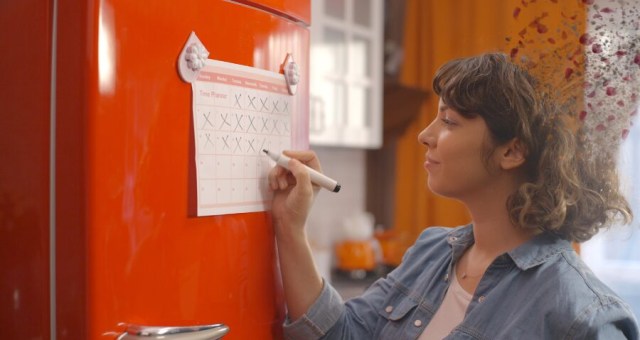
“It’s only a few more months, now,” said Danielle Preston, 32, as she smiled at her calendar. “All these years of toil and strain will burn away and be forgotten. I’m exhausted from seeing things how they are, rather than how I want them to be. I know where my life is going. There’s no secret, happy ending to unlock. It’s all so bleak. If there’s an afterlife, then I’ll see everyone after death. But honestly, I hope there’s not. I’d probably just annoy everybody.”
Preston’s mother, Sandra, said she was concerned by her daughter’s new obsession, but not surprised.
“She’s always been like this,” said the elder Preston as she flipped through a photo album. “When she was very young, she was sure the Power Rangers were going to ask her to join them. Then she spent her adolescence waiting on her letter from Hogwarts. I try not to think about the years she was certain that a vampire and werewolf were going to fight for her affection, but at least that was still on the optimistic side. I can’t imagine why she’s so eager to die, now.”
Aiden Renaud, an expert on the media that millennials have consumed throughout their lives, said that Preston’s experience is shockingly common.
“This is a generation that cannot separate itself from its favorite fiction,” said Renaud, who said the FunkoPop figures adorning his office were purely for research purposes. “They believe they are Jedi. They think Professor Oak is going to give them a Pokemon. They swear that Steven Universe is their friend. Combine that with the dearth of economic opportunity this generation is facing, and it’s no surprise that a property like Clair Obscur would create a pseudo-death cult. In fact, I’d say it was an inevitability.”
At press time, Preston was spending what she believed were her final days on earth collecting rare swimwear.
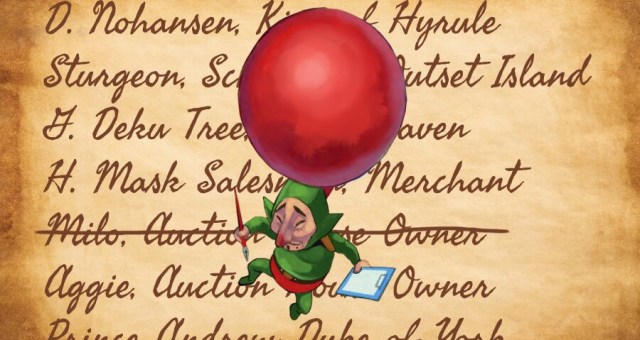
HYRULE — King Daphnes Nohansen Hyrule categorically denied that the government is in possession of a list of clients for notorious human trafficker, Tingle, source confirm.
“What’s going on with my ‘Ritos,’ and, in some cases, ‘Gorons?’” said King Daphnes in a message posted to the Pirates Charm network. “The files you’re asking for never existed! It’s just another Vaati-created hoax like Ganongate and climate change. If you’re so curious about Tingle, maybe you should ask about the Hero of Time, who paid A LOT of Rupees for maps when he was in Termina, which is a TOTAL CRIME!”
One of Tingle’s alleged victims spoke out against the king’s statement.
“I personally witnessed King Daphnes working alongside Tingle to extend his terrible, terrible operation,” said the individual, who requested he only be identified as David. “I was recruited by Ankle and forced to work against my will on Tingle Island for years. I saw everything. They didn’t care, because they didn’t think of me as someone who could possibly hurt them, but I saw them all: Tingle. Daphnes. The Rito Chieftain. Oh, yeah, he might be the biggest liar of them all. I don’t care if he’s half bird; he can definitely sweat.”
Retired Royal Secret Service Officer Impa said the official story didn’t make sense to her.
“We already know that King Daphnes is tied to Tingle,” said Impa. “His name appears several times in Tingle’s flight logs. You see, Tingle allowed many powerful individuals to travel using his private balloon, which was nicknamed ‘The Kokiri Express.’ Sometimes it was just for innocuous travel between Outset and Windfall, but other times it would stop at Tingle Island for days—or even weeks. There’s no public record of what happened there, but I know for a fact that the royal family was in possession of classified material related to the case. For King Daphnes to claim that no further records exist is a demonstrable lie. I wish we could ask Tingle for his side of the story directly, but he was found dead inside his cell in the Forbidden Fortress under mysterious circumstances. Supposedly, the guard who was responsible for shining a spotlight on his cell had been temporarily distracted by a walking barrel.”
At press time, King Daphnes had offered Tingle’s brother and collaborator Ankle immunity in exchange for favorable testimony.
Stay Updated on The Latest Punk News
Get the latest punk news delivered straight to your inbox